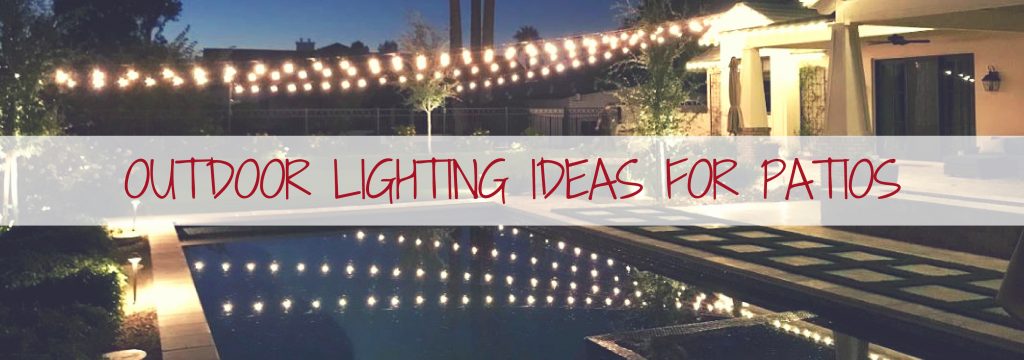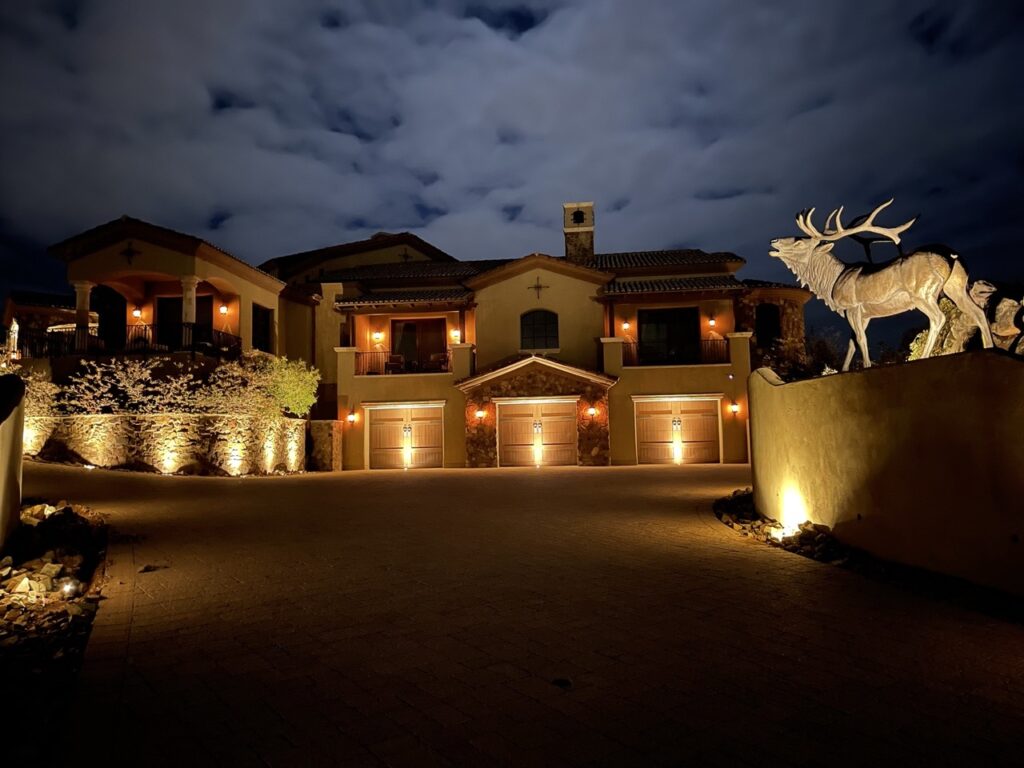
Outdoor lighting is an important part of creating a welcoming atmosphere and a homely aesthetic. Getting it right means choosing the right fixtures for the space — both functionally and aesthetically — and always paying close attention to outdoor lighting maintenance.
You need to plan carefully, install precisely, and draw on expert knowledge, because it’s about a lot more than just choosing the prettiest lights. Stay Off The Roof is committed to providing the best lighting solutions for your home through personalized recommendations and quotes based on your taste and preferences, as well as technical and functional considerations.
In this article, we’ll give you a crash course on how professional outdoor lighting companies install low-voltage landscape lighting, so you don’t have to rely on blind trust. We’ll cover the ins and outs of low-voltage landscape lighting, how to plan the design, how to prepare for installation, what the installation process involves, how the lighting is tested and adjusted, and the most important aspects of maintenance and troubleshooting.
A Quick Overview of Low-Voltage Landscape Lighting
The most important difference between landscape lighting and standard interior household lighting is high versus low voltage — the former operates at 12 volts, while the latter operates at a significantly higher 120 volts. The lower voltage is preferable outdoors because it offers energy efficiency, enhanced safety, and far easier installation.
Low-voltage lighting also poses a very minimal risk of electric shock, which makes it ideal for the outdoors — architectural features, pathways, and illuminating gardens. At a glance, the benefits include:
- Safer to install and maintain
- Reduced risk of electrical hazards
- More energy efficient — therefore cheaper, with a smaller carbon footprint
- A large variety of low-voltage fixtures to choose from
Planning and Design of Low-Voltage Outdoor Lighting
The process is involved, but the initial phase breaks down into three steps: assessing the space, creating a design and layout, and selecting the right fixtures and materials.
1. Assessing the Space
The first phase is a thorough assessment of the property. Professionals like Stay Off The Roof conduct a site survey to identify key areas that require illumination — pathways, patios, driveways, gardens, and architectural features. This assessment determines what kind of lighting is needed, as well as potential challenges like existing structures or vegetation that might obstruct light or complicate the install.
2. Creating a Lighting Design and Layout
Next, we create a detailed lighting plan and lay out the design. This outlines the placement of fixtures, the wiring routes, and the locations of transformers — usually with a mix of design software and hand-drawn sketches to visualize the final result. The goal is a balanced scheme that enhances the landscape while providing adequate illumination for both function and safety.
3. Selecting Fixtures and Materials
Once the plan is set, it’s time to choose materials and fixtures. Considerations include the desired lighting effect, the durability of the fixtures, and compatibility with the overall design. Common fixture types include path lights, spotlights, and well lights, each serving a different purpose. Climate and weather conditions also play a big role, since fixtures need to resist the elements.
Preparing for Installation
There are three important things to handle before installing low-voltage outdoor lights: gathering materials and tools, ensuring electrical compliance and safety, and marking and measuring the install sites.
Gathering Tools and Materials
It may sound basic, but professionals gather every tool and material before starting the job. That includes the lighting fixtures themselves, low-voltage wiring, transformers, connectors, stakes, and mounting hardware — plus specialized tools like voltage testers, wire strippers, and trenching tools, all essential to a smooth installation.
Ensuring Electrical Safety and Compliance
Safety always comes first with electrical systems, so professionals make sure every component meets local electrical codes. That includes verifying the transformer is correctly rated for the total wattage of the system and that all connections are secure and weatherproof. For an extra layer of safety, a ground fault circuit interrupter (GFCI) outlet may be installed for the transformer.
Taking Measurements
Accurate measurements are crucial — they ensure a professional finish and help avoid wasting time and money on unnecessary materials. Professionals use flags, stakes, and sometimes spray paint to mark fixture locations and wiring routes. Carefully measuring the distances between fixtures and the transformer determines the appropriate wire lengths.
A Step-by-Step Guide to Installing Low-Voltage Landscape Lights
Once the design is planned and the prep is done, here are the key steps in the actual installation.
1. Setting Up the Transformer and Electrical Connections
The process begins with the transformer, which reduces the standard 120-volt household current to a safer 12 volts. It’s typically mounted near an outdoor GFCI outlet and connected to the power source. Low-voltage wiring then runs from the transformer to each designated fixture, with everything kept weatherproof and secure.
2. Installing the Light Fixtures
The fixtures are installed and connected to the wiring using waterproof connectors, then secured with mounting hardware or stakes.
3. Running and Concealing the Wiring
Wiring is concealed by burying it in shallow trenches or tucking it under gravel or mulch. This protects the wires from damage and keeps the finished look clean. Staples or clips may be used to further secure the wiring for longevity.
Testing and Adjusting the Lighting
Once everything is installed, it’s time to test and fine-tune.
Ensuring Proper Functionality
Each fixture is checked individually to confirm it’s working and that connections are secure. The transformer is switched on to verify all lights illuminate as intended, watching for any faulty, flickering, or dim lights.
Adjusting Fixture Positions and Angles
With the lights working, the next step is dialing in the effect through fixture angles and positions. Spotlights, path lights, and other fixtures are fine-tuned to ensure even coverage and eliminate dark spots.
Final Adjustments for Optimal Illumination
Finally, professionals consider beam spread, light intensity, and color temperature (warm or cool). Even when these are planned in advance, seeing everything live often inspires small refinements that perfect the look while keeping visibility and safety high.
Maintenance and Troubleshooting
The key to keeping any system in good condition is regular maintenance. For outdoor lighting, that includes:
- Regularly cleaning fixtures to remove dirt and debris
- Frequently checking wiring and connections for wear and tear
- Replacing burnt-out bulbs
- Adjusting fixtures as needed for optimal performance
Common Issues and How to Resolve Them
Even with a seamless installation, issues can arise over time. Here are the most common, and how to solve them:
- Burnt-out bulbs: Check bulb functionality regularly and replace them as needed.
- Loose connections: Periodically check connections to make sure everything is secure, and contact a professional as soon as you spot a loose connection.
- Damaged wiring: Harsh weather can damage wiring. Inspect it regularly, especially after intense weather, and don’t hesitate to replace damaged wiring — putting it off usually costs more in the long run.
Final Thoughts
That’s an overview of how professional outdoor lighting companies install high-quality low-voltage landscape lighting. It’s an extensive process that takes real skill and knowledge to do properly and safely.
If you’re considering enhancing your garden and accentuating your landscaping, get a free quote today for all your outdoor lighting installation and maintenance needs.
Want this look on your home?
Get a free, no-pressure design from Phoenix’s outdoor & holiday lighting experts. Custom Gemstone® tracks fit adobe, brick, and stucco homes most installers can’t.